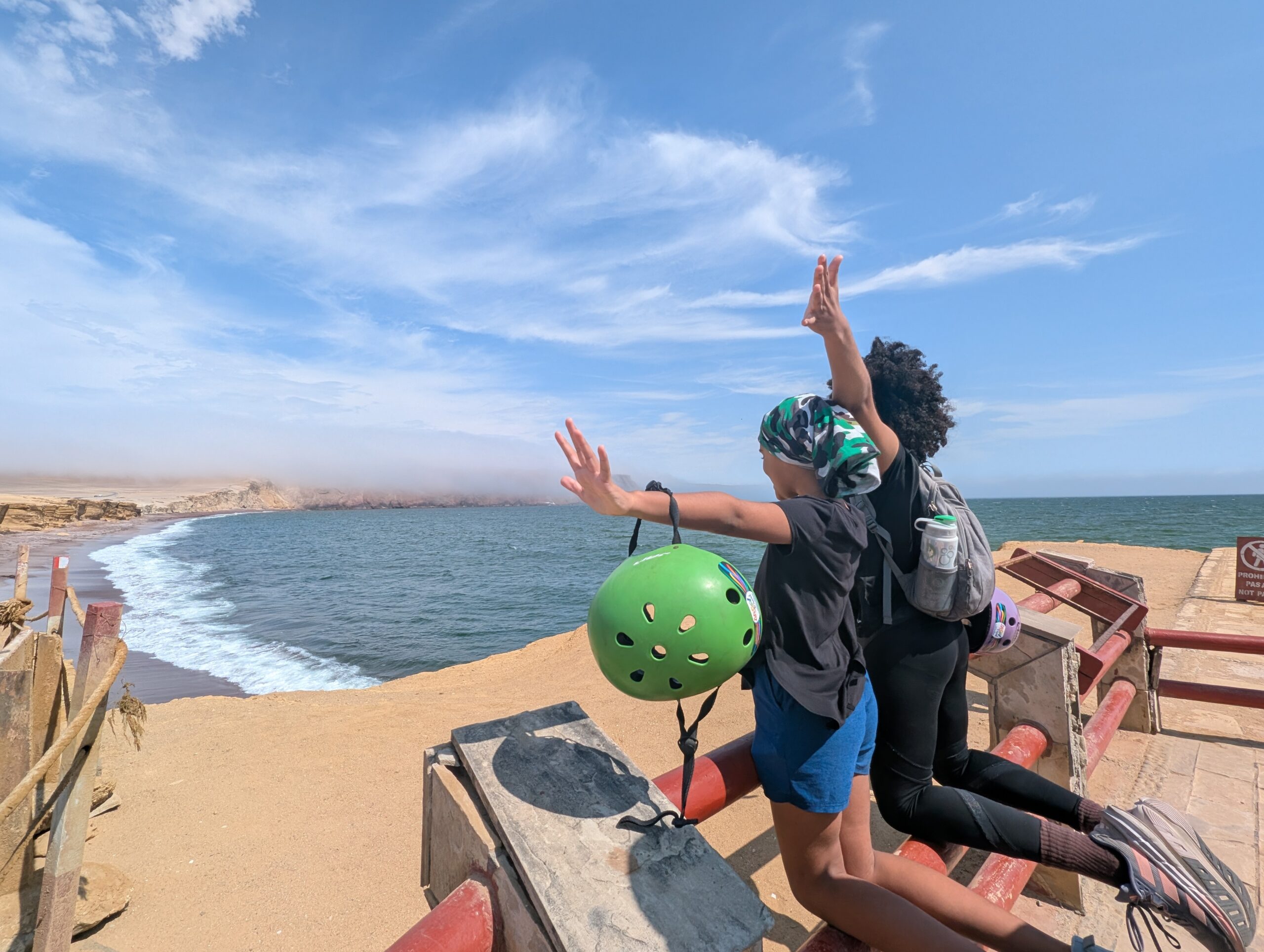
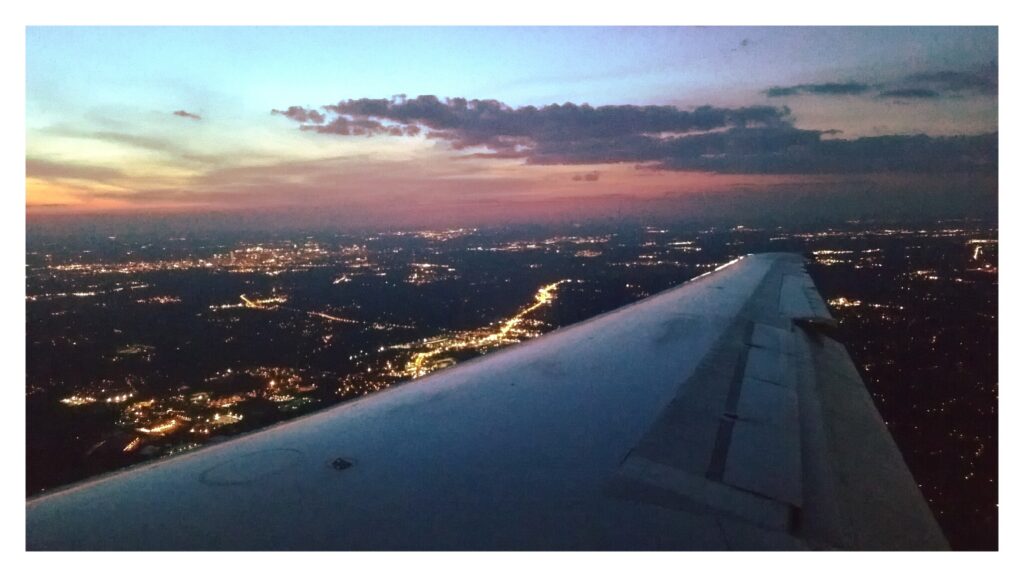
Traveling as a family wasn’t something we planned years in advance or mapped out in detail. We did dream about it sometimes, but never did anything in particular to make the dream happen. One day, my husband said… Hey, we are both working online, the kids are homeschooled, there is nothing tying us to a specific location. Should we travel? … I just said: absolutely! I am going to start selling everything on Facebook Marketplace. We have a garage sale next weekend! … Thirty days later, that´s right, call me mrs. execution because only 30 DAYS LATER we were taking a plane to Queretaro, Mexico.
We wanted to start close to home (Atlanta) in case anything went wrong. Mexico gave us the courage to keep going.
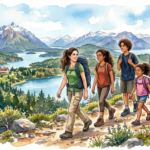
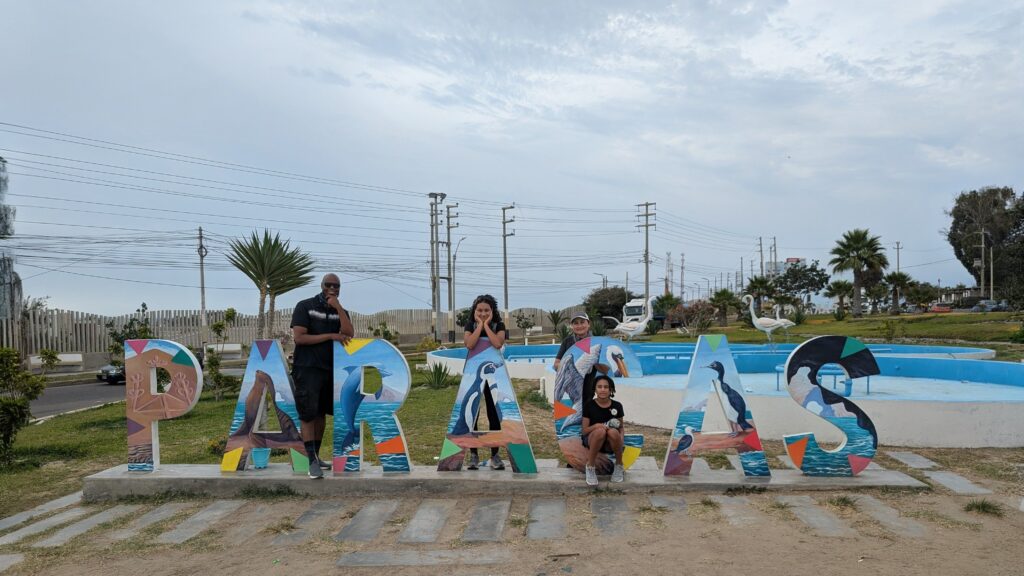
We are a family of five who travels slowly, homeschools and worldschools our children, and builds daily life around curiosity, connection, and experiences in different countries. This post is an honest look at how we travel the world as a family, how we choose destinations, how learning happens on the road, what our days actually look like, and what this lifestyle has taught us along the way.
This isn’t a highlight reel. It’s real life, just lived in different places.
Why We Chose to Travel as a Family
Our decision to travel as a family came from a simple realization: we were already living in a way that didn’t require us to stay put. Work happened online. Learning happened beyond the classroom. What we wanted more of was time, time together, time to explore, time to slow down, time spent in places we always dreamt of going, only those dreams always sounded like…maybe we´ll go when the kids go to college.
But…we wanted our children to experience the world too, not as tourists rushing from one attraction to the next, but as people living inside different cultures, languages, and landscapes.
Travel became less about seeing more places and more about living more fully in each one.
What Slow Travel Looks Like in Real Life
Slow travel is the foundation of how we move through the world. For our family, that means staying in one place for weeks or months at a time rather than constantly moving.
We rent homes instead of staying in hotels. We shop at local markets. We find favorite walking routes, bakeries, parks, and cafés. We create routines that anchor us, even when the scenery changes.
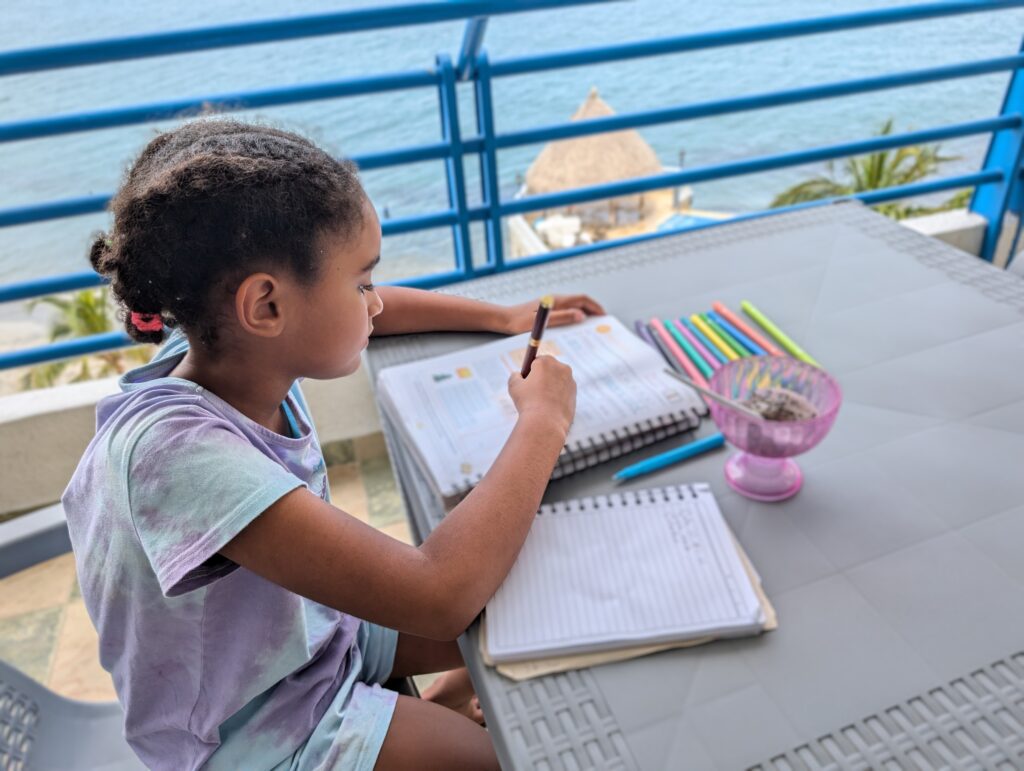
Most days are quiet and ordinary: schoolwork, cooking, reading, resting, shopping locally, and just going for short walks. Other days are full of exploration. That balance is what makes long-term travel sustainable for us. Slow travel gives us space to breathe, adapt, and actually enjoy where we are.
How We Choose Where to Travel with Kids
Choosing destinations as a family is less about bucket lists and more about practicality and quality of life. We consider:
- Cost of living and affordability
- Cost of flights
- Availability of Airbnbs or furnished rental properties
- Safety and walkability (We usually don´t rent a car)
- Availability of public transportation
- Reliable internet access
- Access to nature and outdoor spaces
- Cultural richness and learning opportunities
- And one very particular to us: Levels of noise, since we have two kids who get bothered by noise and crowds.
We also ended up doing something we didn´t plan for. And that was making Medellín, Colombia, our home base. Every time we got tired, or needed doctors’ appointments, or medical procedures, we stopped in Medellín. That was super helpful to help with exhaustion. Once recharged, we headed for our next destination.
How Worldschooling Happens While We Travel
Worldschooling is often misunderstood as “no structure,” but for us it’s simply learning rooted in real life. Our children learn through books, conversations, experiences, and the world around them. They also have a standard curriculum online that they follow with the basic subjects such as math, ELA, Science, History, etc.
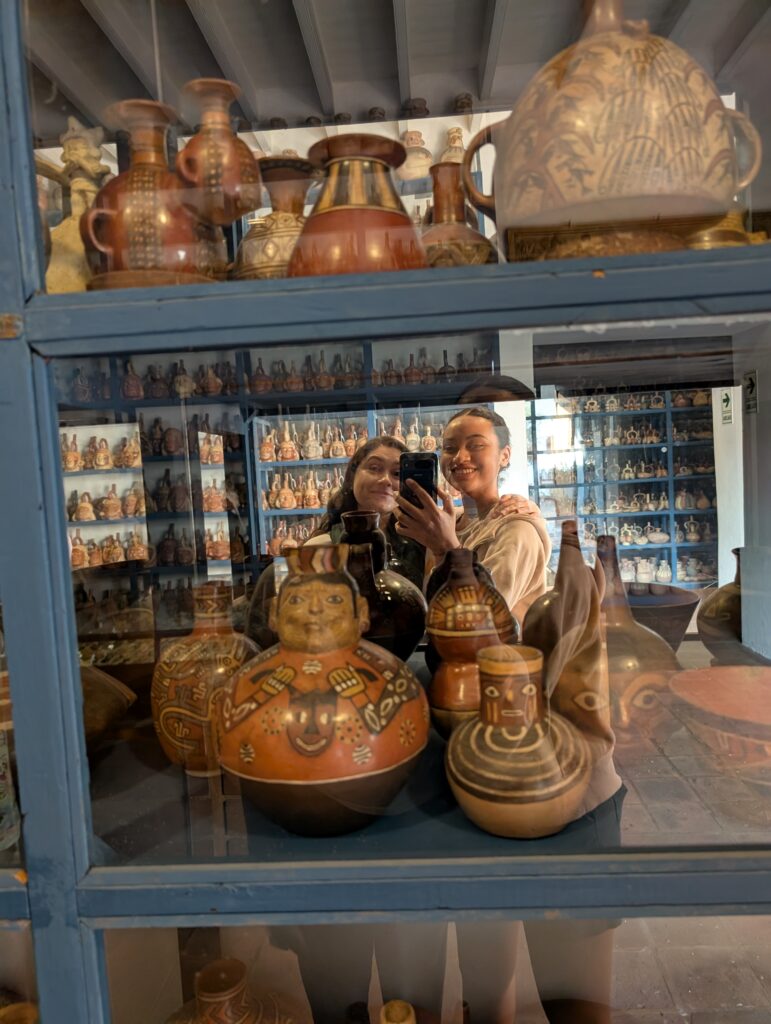
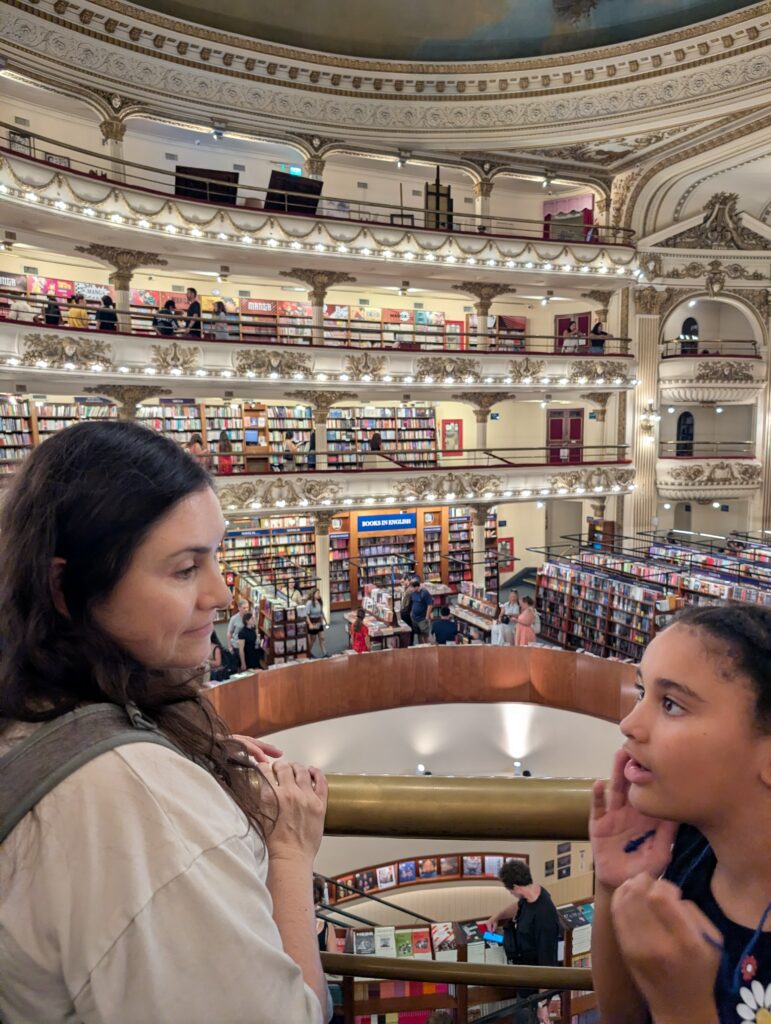
Museums, historical sites, markets, nature, food, languages, and daily interactions all become part of learning. Reading plays a central role, helping us connect experiences to deeper understanding. We adapt learning to each child’s age, interests, and needs, allowing curiosity to lead rather than forcing rigid timelines.
Worldschooling doesn’t replace foundational skills, as I mentioned before, they get those too, it deepens them by giving them real context.
A Typical Day of Family Travel
No two days are exactly the same, but rhythm matters. Most days begin slowly. Mornings might include reading, drawing, or focused learning time. Afternoons are often spent doing daily work from the curriculum and a walk through town, a hike, a museum visit, or simply being outside.
Routine creates stability, even when we’re far from home.
The Challenges No One Talks About
Long-term family travel isn’t effortless. Transitions can be tiring. Emotional ups and downs are real, especially when adjusting to new places or saying goodbye. The kids do not have regular summer vacations or spring breaks; they take their breaks when they need them, such as every time we move, they take two days off before moving and two or three days off after arriving to the new place to make the transition easier.
There are moments of fatigue, homesickness, and doubt. Acknowledging these challenges instead of hiding them has helped us navigate them with more compassion and patience, for ourselves and for each other.
As all the kids are different, we also alternate places based on what they like. For example, our teen girl loves the city, but our other two children love nature, so we are always alternating between cities and sites with amazing natural views.
What Traveling Together Has Taught Our Family
Travel has taught us adaptability, communication, and resilience. It has also given us an outsider´s perspective of our own home (Atlanta), and it gave the kids the chance to spend some family time with their Colombian side of the family. Hopefully, by the end of our two-year travel journey, they also have a second country that they can call home if they ever want to live in South America.
Our children have learned how to navigate unfamiliar environments, interact with people from different backgrounds, and approach the world with curiosity. As of today, we have been on the road for about a year and a half, and I can say it has been amazing, but it has also been exhausting. We plan to be on the road for two years total, but we are already planning on what things and which hobbies we are going to pursue once we settle down again.
Is This Lifestyle Right for Every Family?
This lifestyle isn’t about perfection, and it isn’t for everyone. It can be short-term or long-term, highly structured or completely flexible. There is no single “right” way to travel or learn as a family.
What matters is alignment with your values, your season of life, and your family’s needs. Travel doesn’t have to look like ours to be meaningful or to be called worldschooling.
We have friends who travel for a month or two every year, or every two years, families that send their kids on a travel adventure with other teens, parents that travel in groups of homeschoolers, full-time, or part-time… There are many ways to approach worldschooling nowadays, and they are all very enriching.
Where to Start If You’re Curious
If you’re curious about family travel or worldschooling, start small. Read. Ask questions. You don’t need to have everything figured out before you begin.
There are many groups online that talk about this subject, and since more and more people work online, there are more worldschooling hubs, worldschooling travel groups, and information about slow travel in general. One group that I follow often is “worldschoolers” which currently has a whopping 74k members on Facebook.
On this blog, I share what has worked for our family, honestly, imperfectly, and with intention. If you’re exploring a slower, more connected way of living and learning, you’re in the right place.
Frequently Asked Questions (FAQ)
Q: What is “Slow Travel” for your family, and how does it make long-term travel sustainable?
A: Slow travel for our family means staying in one place for weeks or months at a time, creating a sense of daily life and routine. We rent homes, shop locally, and establish routines like schoolwork and cooking. This balance between quiet, ordinary days and days of exploration gives us space to breathe, adapt, and makes long-term family travel sustainable.
Q: How does your family handle “Worldschooling” while traveling?
A: Worldschooling for us is learning rooted in real life, not “no structure.” Our children learn through books, conversations, and experiences (museums, markets, etc.), but they also follow a standard online curriculum for foundational subjects like math, ELA, and science. Worldschooling deepens these foundational skills by giving them real-world context.
Q: How do you choose your travel destinations with three children?
A: Choosing destinations is less about a bucket list and more about practicality and quality of life for a family of five. We consider cost of living, flight costs, availability of furnished rentals (Airbnbs), safety, walkability, reliable internet, and access to nature. A unique factor for us is minimizing noise and crowds, as two of our children are bothered by them, leading us to alternate between cities and natural sites.
Q: What are the biggest challenges of long-term family travel?
A: The biggest challenges include the fatigue of constant transitions, emotional ups and downs, and moments of homesickness or doubt. To manage this, the kids take breaks around every move (two days off before and two to three days after arrival). We address these challenges with compassion and patience, and we alternate locations to accommodate the different preferences of our children (city vs. nature).
Q: How long have you been traveling, and do you plan to do this forever?
A: We have been on the road for about a year and a half. While the experience has been amazing, it has also been exhausting. We plan to be on the road for two years total and are already making plans for the hobbies and activities we will pursue when we settle down again.
Q: Where can I find a supportive community for family travel or worldschooling?
A: There are many groups online due to the rise of remote work. We recommend starting small by reading and asking questions. One large online group that we follow is “worldschoolers” on Facebook, which currently has over 75,000 members.